


Phenolic compounds naturally extracted from crushed grapes
Grape tannin is a polyphenolic compound naturally present in Vitis vinifera and its by-products. Also known as grape skin tannin, it is available in two forms: a dark brown liquid and a pale yellow powder.
The product is water-soluble (by shaking) and features a neutral aroma with a characteristically bitter and astringent taste typical of tannins.
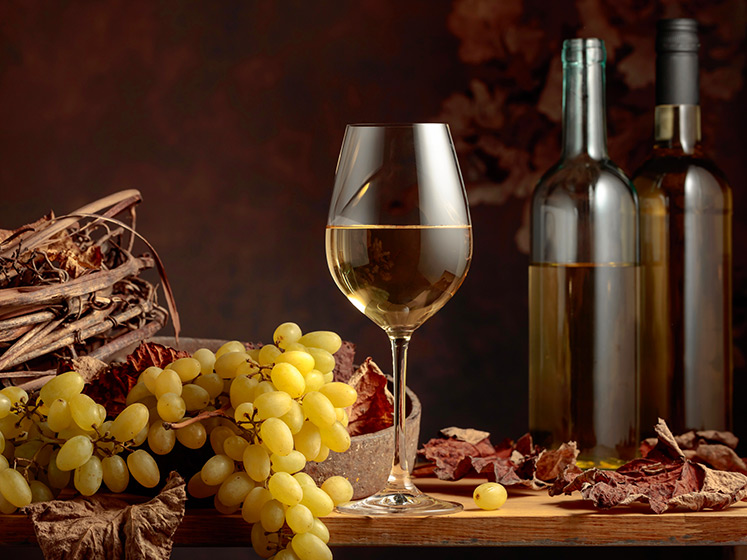
Wine
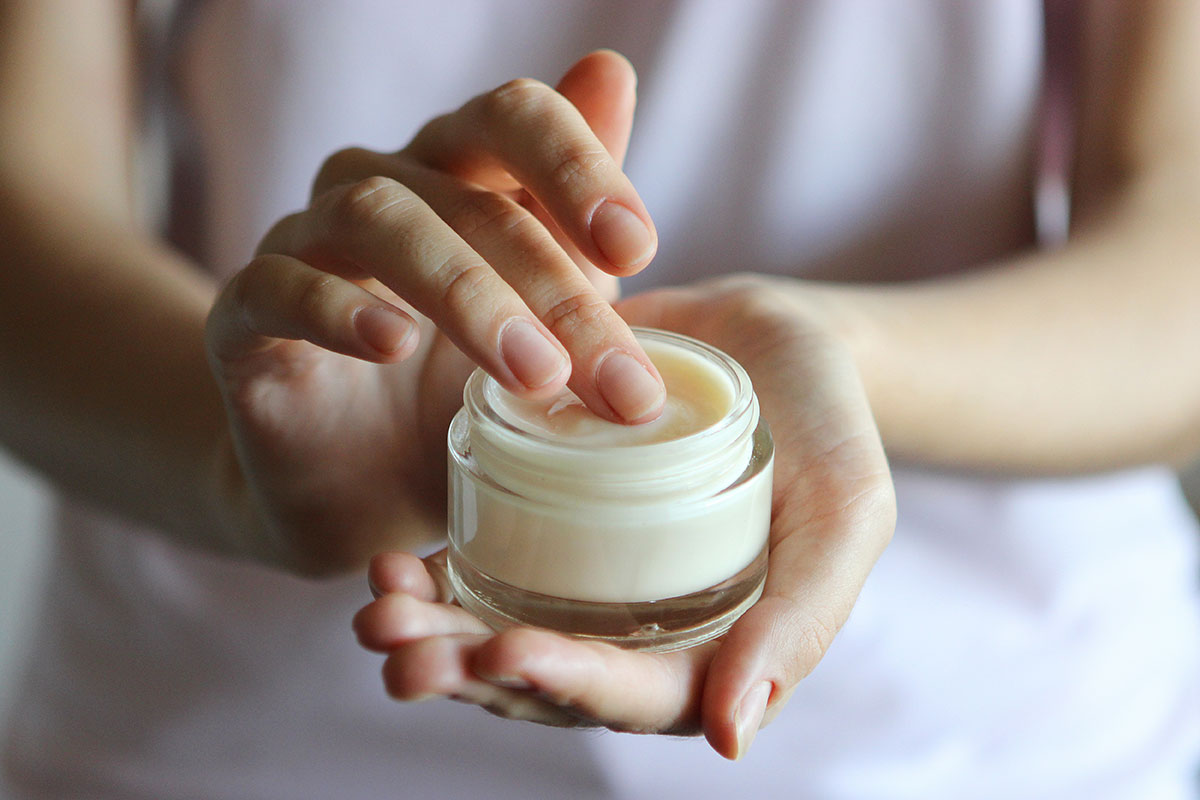
Cosmetics

Textiles

Dietary supplements
Grape skin tannin applications
Wine
Cosmetics
Textiles
Supplements
Grape tannin is a versatile ingredient used across various industries—from food and wine to cosmetics, textiles, and animal health—thanks to its astringent, antioxidant, and antimicrobial properties.
Grape tannins are used in the food industry as natural preservatives in some foods and beverages, especially in wine, where they help stabilize the product and protect it from oxidation. In addition, in wine they are responsible for the characteristic bitter and astringent taste and help improve the structure and longevity of the product. Thanks to their antioxidant properties, grape tannins can be used in foods to prevent spoilage, protecting nutrients and improving the shelf life of the product.
Grape tannin can be used in the cosmetic industry, especially in tonics and lotions, thanks to its ability to tighten pores and improve the appearance of the skin.
In textiles, grape skin tannins are used for natural dyeing, thanks to their ability to bind to fibers and impart a rich, dark color.
Grape tannin powder or liquid is also suitable for use in dietary supplements for both humans and animals, supporting digestive and cardiovascular health due to its natural antioxidant and antimicrobial effects.
Grape tannin main benefits
Tannins are known for their astringent and antioxidant properties, and grape tannin, in particular, offers numerous health benefits, ranging from supporting digestive health to improving cardiovascular health.
It supports digestive wellness, protects cells from oxidative stress, and may contribute to cardiovascular balance. These benefits make both liquid and powdered tannin valuable ingredients in functional foods and nutraceuticals.
Production process of grape tannin
1
Grinding
2
Decantation and Filtration
3
Extraction and Concentration
Why choose Bagnarese Grape Skin Tannin
Our grape tannin maintains the characteristics of the raw material used thanks to the particular extraction process that preserves the high quality at an organoleptic level.
We also offer powdered tannin, obtained through a controlled drying process. This wine tannin powder maintains the same effectiveness as the liquid version, while offering ease of use and longer shelf life.
We are able to guarantee products of the highest quality thanks to the high technology of our equipment, the careful quality and chemical control throughout the production process. All phases of the production process are in compliance with the CE hygiene standards in force regarding the production of food products intended for human consumption.
Color Shades
Liquid: Dark brown
Powder: Pale yellow
Packaging
Liquid
- 25 kg cans
- 230 kg drums
- 1,350 kg IBC
Powder
- 15 kg plastic and aluminium bags
Storage
Liquid grape tannin: store the product perfectly sealed, away from sources of light or heat, at a temperature between 0°C and 4°C.
Powdered tannin: store the product perfectly sealed, away from sources of light or heat, at room temperature in a dry place.
Our liquid and powder grape tannin is GMO free and natural, without the addition of flavorings, colorants or other artificial substances.
Frequently asked questions about grape tannins
Grape tannin is a plant-based extract rich in polyphenolic compounds naturally present in grapes. It is used as an ingredient in a range of industrial applications, particularly in the wine, food, cosmetics and textile industries, as well as in dietary supplement formulations.
Grape tannins are polyphenolic compounds naturally present in grapes, particularly in the skins and seeds. Grape tannin extract, by contrast, is an ingredient obtained by extracting and concentrating these naturally occurring compounds from grape-derived raw materials for specific industrial applications.
Grape tannins are found mainly in the skins and seeds. In winemaking, other sources such as stems and ageing wood may also contribute tannins, while grape tannin used as an ingredient is obtained by processing grape-derived raw materials.
Thanks to its antioxidant, astringent and functional properties, grape tannin can be used in a variety of sectors. Applications include the wine, food, cosmetics and textile industries, as well as dietary supplement production.
Yes. Bagnarese grape tannin is available in both liquid and powder form. The liquid version is dark brown, while the powder version is pale yellow.
Grape tannin has a neutral aroma and the bitter, astringent taste typically associated with tannins. These characteristics derive from the natural presence of polyphenolic compounds in the raw material.
Yes. Bagnarese grape tannin is a natural, GMO-free ingredient produced without the addition of flavourings, colourings or other artificial substances.
Yes. To assess the use of grape tannin in specific industrial applications, you can request further technical information from Bagnarese regarding the product, available formats, packaging and storage conditions.